A house fire can turn your world upside down in a matter of minutes. Once the flames are out and everyone’s safe, you’re left staring at a tough decision: what to do with the damaged property?
Many people think they have to fix everything before selling, but honestly, that’s just not the case.
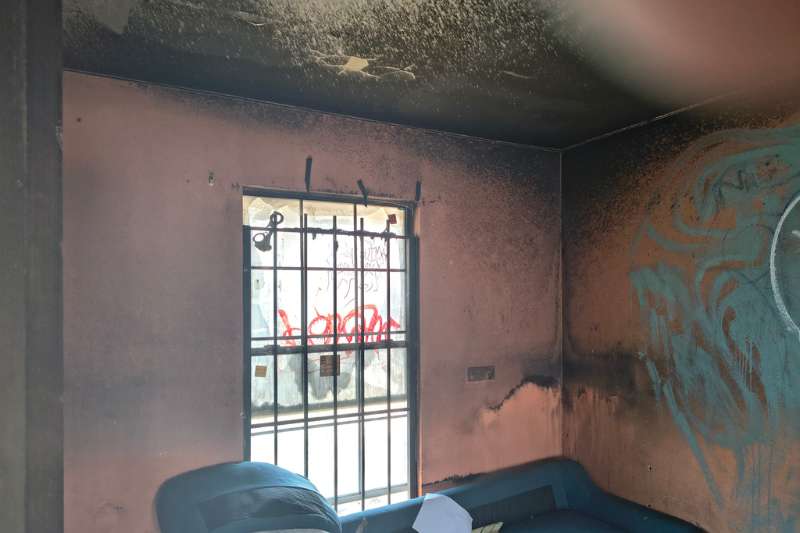
You can sell a fire damaged house as-is without making any repairs, and specialized cash buyers will purchase it in its current condition.
Selling a fire damaged house gives you a few different paths, from quick cash sales to more traditional listings after repairs. The best route depends on your timing, finances, and honestly, how much stress you’re willing to take on.
Knowing your legal responsibilities and selling options for fire damaged properties can help you make better choices when things already feel overwhelming.
This guide covers everything from assessing the damage and collecting paperwork to pricing your home and getting the deal closed.
Key Takeaways
- You have to legally disclose all fire damage to potential buyers, no matter what state you’re in.
- Selling as-is to a cash buyer is faster and skips repair costs and agent fees.
- Fire damage usually knocks 20% to 60% off a home’s value, depending on how bad it is.
Assessing Fire Damage Before Selling
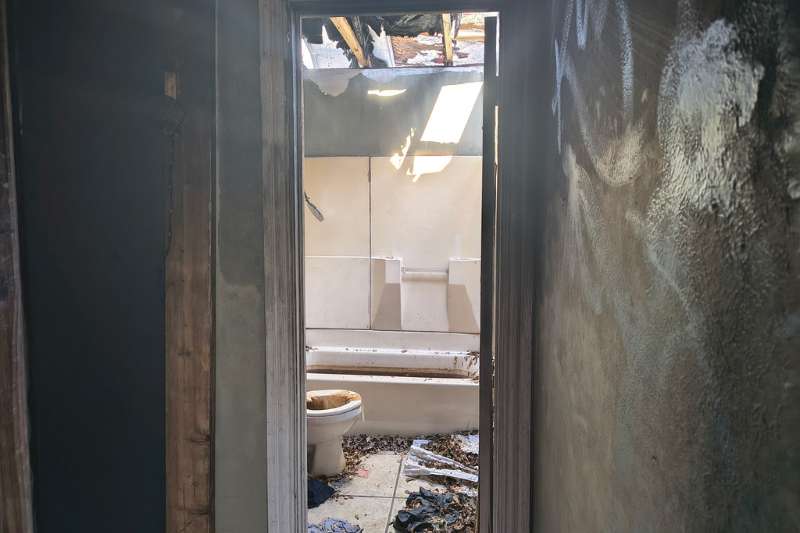
Understanding the real scope of fire damage means getting a professional evaluation and documenting everything. The assessment affects your selling options and can make a big difference with insurance claims and buyer negotiations.
Types and Levels of Fire Damage Impact
Fire damage isn’t just what you see on the surface. Smoke can sneak into walls and the HVAC system, leaving behind residue and odors that linger.
Damage falls into a few main categories, and each one affects your home’s value in its own way.
Structural damage hits the foundation, walls, roof, and anything load-bearing. This is the big one and can make a house unsafe. Think warped beams, cracked foundations, or a roof that’s no longer trustworthy.
Electrical and plumbing damage happens when heat melts wiring insulation or bursts pipes. Even if things look okay, these systems often need a total overhaul. Water from fighting the fire can also corrode panels and cause more issues.
Cosmetic damage is what you see—burned walls, soot stains, and smoke discoloration. Ugly, sure, but usually cheaper to fix than the big stuff. Repairs can run from $3,000 to $51,000 depending on what’s wrecked.
Smoke and odor damage is sneaky and often invisible. It messes with air quality long after the fire’s out. Smoke particles settle into carpets, furniture, even drywall. Sometimes cleaning works, but bad cases might need parts of the house replaced entirely.
Hiring Professional Inspectors and Restoration Experts
You’ll want a professional damage assessment that goes way beyond the fire department’s quick safety check. Their job is to make sure it’s safe, not to find every hidden problem.
Bring in a home inspector who knows fire damage. They’ll look where you can’t—inside walls, ceiling cavities, all the places smoke and water like to hide.
If the damage is major, a structural engineer can tell you if your place is even fixable. Fire restoration specialists will dig into smoke contamination and test the air quality.
Your insurance company will send their own inspector, but it’s smart to have your own so you can compare notes. Keep every report, photo, and document. You’ll need them for insurance, pricing, and legal disclosures.
Getting multiple expert opinions gives you a clearer picture of what you’re actually dealing with—and helps you avoid nasty surprises later.
Documenting Damage for Insurance and Buyers
Take tons of photos and videos before anyone starts cleaning up. Get wide shots of rooms and close-ups of the worst spots.
Document everything—burn marks, water damage, soot, and any structural issues. Multiple angles are good.
Make a written list of all damaged items and building materials. Go room by room and jot down what needs to be fixed or replaced. If you can, include brands, model numbers, and ages for appliances and fixtures.
Save every receipt, estimate, and report you get. That means fire department paperwork, inspector notes, contractor bids, and cleaning invoices. Keep both paper and digital copies—just in case.
This documentation is essential for your insurance claim and for being upfront with buyers. Complete records protect you from future headaches and show buyers you’re not hiding anything about the home’s history.
Evaluating Your Selling Objectives and Options
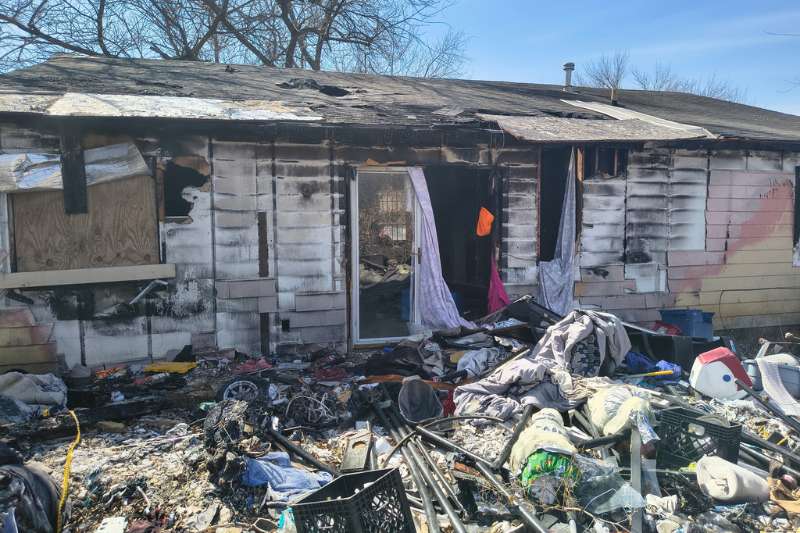
Your finances and how fast you need to move will shape whether you repair the house or just sell it as-is. It really comes down to your insurance, your cash on hand, and your patience.
Deciding Between Repairing or Selling As-Is
When selling a house with fire damage, you’ve got two main choices: fix it up or sell it as-is. Selling as-is means you don’t touch a thing—just list it in its current state.
This is usually the best move if you need cash fast or can’t afford the repairs. Cash buyers and investors are out there looking for these deals, and they’ll handle the fixing up themselves.
If you repair first, you’ll attract buyers who want something move-in ready. They’ll pay more, but you’ll need to front the repair money and wait months for everything to get done.
Your insurance policy is a big factor. Most cover fire damage unless there’s arson or neglect involved. Double-check your coverage before deciding.
Cost-Benefit Analysis of Restoration vs. Quick Sale
Repairing fire and smoke damage can cost anywhere from $3,107 to $51,243, with the average right around $27,175. If the kitchen or roof is hit hard, you’re looking at $15,000 to $25,000 for just one room.
To figure out what makes sense, subtract repair costs from the price you’d get after fixing everything. Then compare that to what you’d get selling as-is.
Restoration costs include:
- Soot and smoke cleanup
- Water damage removal
- Fixing structural issues
- Electrical repairs
- Roof work
Don’t forget holding costs—mortgage, utilities, insurance—while you’re making repairs. As-is sales usually bring in 20-50% less than a fully restored house, but you skip repair expenses and can close fast.
Consulting Real Estate Professionals
An agent who’s handled damaged properties before can help you get a sense of your local market. They can estimate what your home might fetch as-is versus after repairs.
Ask for opinions from multiple agents who’ve sold fire-damaged homes. Find out what kind of buyer interest there is in your area and how long you might be waiting.
Top agents can give you insights on pricing strategies that fit your situation. Fire restoration contractors should give you detailed estimates—get at least three, and make sure they break down the costs.
Your insurance adjuster will go over your policy and let you know what’s covered. This info is crucial for making the right call on what to do next.
Choosing How to Sell Your Fire Damaged House
You’ve got three main ways to sell a fire damaged property. Each one has its own timeline, costs, and level of effort.
Selling As-Is to Cash Buyers, House Flippers, or Investors
Cash buyers and investors snap up properties in any state—they don’t need you to make repairs. They’ll check out the damage, estimate what it’ll take to fix, and make you an offer right then and there.
This is usually the fastest route. Most cash buyers can close in 7 to 14 days, sometimes even quicker. No realtor commissions, either, which saves you 5-6% off the top.
Direct home buyers who specialize in fire damaged properties handle the paperwork and don’t need appraisals or bank loans. That matters because banks rarely loan on homes with major fire damage.
The catch? The price. Cash offers are lower because buyers need to factor in repairs and their own profit. But when you add up what you’d spend fixing things, plus holding costs and commissions, the net amount might not be that different.
House flippers want to renovate and resell, so they move fast but will haggle on the price. Some investors might keep the home as a rental, which could mean a slightly higher offer.
Listing on the Traditional Market with Fire Damage Disclosures
You can list your fire damaged home on the regular market as long as you disclose all the damage. This works best if the damage is minor or only in a few spots.
Your buyer pool shrinks a lot with fire damage. Most buyers using regular loans can’t get approved, since banks don’t like damaged homes. FHA and VA loans are even stricter.
Expect your home to sit on the market for a while, all while you keep paying insurance, utilities, and taxes. Showings are tough when people walk in and see charred walls or smell smoke.
Full disclosure is required by law—fire date, cause, how bad it was, and what’s been fixed. If you hide anything, you could get sued later.
Some buyers are looking for fixer-uppers and won’t mind the damage, but they usually have cash or renovation loans. They’ll push hard on price and might ask for credits to cover repairs.
Selling the Property as Land Only After Demolition
If the structure is too far gone, demolishing it and selling the lot as vacant land removes all the fire damage headaches. This makes sense if repairs would cost more than the home’s worth.
Demolition isn’t cheap. Small homes might cost $4,000 to $15,000 to tear down, bigger ones could run $20,000 or more. You’ll need to cover debris removal, disconnect utilities, and get permits.
Selling land is a different game. Buyers are usually developers, builders, or folks who want to build their own place. Value depends on location, lot size, zoning, and how hot the local market is.
This can work well in popular neighborhoods where land is scarce. Places like Denver, CO, have strong land markets because of development demand.
The process takes longer than a quick cash sale but can pay off if the numbers work out. You’ll want to check local land sales and maybe use an agent who knows land deals.
Timing matters. Demolition only makes sense if the final sale price covers the demo costs and any extra expenses while you wait for a buyer.
Preparing Essential Documentation
Having the right paperwork on hand protects you legally and reassures buyers by making the whole story clear—damage, repairs, the lot. Gather your insurance files, professional inspection reports, and plenty of photo evidence from before, during, and after repairs.
Insurance Claims and Adjuster Reports
Your insurance claim files are the backbone of your documentation package. These should include damage assessments, records of structural issues, smoke and water damage reports—basically, anything the fire touched.
You’ll want to collect all settlement documents that show your insurance company paid out for repairs or restoration. This stuff proves you didn’t just wing it; you handled things by the book.
The insurance adjuster’s reports are especially important since they’re considered unbiased. These typically include:
- Analysis of structural integrity
- Repair and replacement cost estimates
- Documentation of salvageable versus non-salvageable elements
- Expert recommendations for restoration work
- Timeline projections for repair completion
Hang onto every bit of correspondence with your insurer—claim numbers, dates, decisions, the whole paper trail.
Inspection and Assessment Records
Professional inspection reports show your place is up to code and safe. You’ll need a structural engineer’s take on the foundation, load-bearing walls, roof, and any major concrete or steel parts.
The building inspector’s evaluation confirms you followed local rules and flags any lingering hazards. It also notes which permits you pulled and whether the home can be legally occupied now.
Specialized system assessments are a must for:
- Electrical systems: Rewiring docs, breaker inspections, code checks, safety certs
- Plumbing: Pipe evaluations, water pressure tests, leak findings, repair certs
- HVAC: Duct cleaning records, function tests, air quality reports, efficiency checks
Make sure these inspection reports are recent and signed by actual licensed pros. Keep their certificates and licenses too, just in case anyone asks.
Visual Documentation: Photos and Videos
Visual proof is huge—it shows buyers exactly what happened and how things got fixed. Snap photos right after the fire, during cleanup, through every restoration stage, and at the end.
Try to build a timeline with your photos. Get shots of:
- Fire damage (structure and contents)
- Cleanup in progress
- Restoration work as it happens
- Finished repairs and upgrades
- Before-and-after comparisons
Videos add another layer, especially for context. Do walkthroughs showing the worst of the damage, then follow up with videos of the finished spaces.
Label everything with dates and short descriptions. Keep your files organized—folders by category or by timeline work well and make things easier for buyers to look through.
Legal Requirements and Disclosure Obligations
Sellers have to play by the rules when it comes to disclosing fire damage. These legal obligations aren’t just red tape—they keep you out of court and protect everyone involved.
Understanding State Disclosure Laws for Fire Damage
Fire damage is always a material defect—meaning you have to tell buyers, no matter what state you’re in. A material defect is anything that impacts value, safety, or how much someone wants the place. Even if you fixed everything and it looks great, you still have to disclose it.
Your exact responsibilities depend on your location. State and local laws differ on forms, timing, and what counts as “known” damage. Some states want detailed written disclosures, others are less strict—so check your local rules.
You’ll need to include details about the fire itself—when it happened, what caused it (if you know), which parts of the house were hit, and whether the damage was just cosmetic or went deeper. List every repair, who did it, when, and which permits you pulled.
Even with an “as-is” sale, disclosure is required. You can’t skip telling buyers about material defects, no matter the deal.
Risks of Non-Disclosure and Legal Consequences
If you don’t disclose fire damage, you’re opening yourself up to serious legal trouble. Buyers who find hidden damage after closing can sue for misrepresentation or fraud—and those cases get expensive fast.
Courts can even reverse the sale, making you take the house back and refund the buyer. You could also be on the hook for repair costs, lost property value, and whatever else the buyer had to spend because of your silence.
If a judge thinks you hid the damage on purpose, things get even worse. Punitive damages can be added on top of actual costs—those are meant to punish, not just make things right.
And just because the sale is done doesn’t mean you’re in the clear. Buyers usually have several years to discover hidden defects and bring a lawsuit, depending on state law.
Gathering and Organizing Required Legal Documents
Pull together every piece of documentation about the fire and repairs. Start with your insurance paperwork, which gives an official record of the whole mess—claim numbers, adjuster reports, settlement letters.
Next, grab all invoices and receipts from contractors. These show what work was done and that you hired legit pros. Permits and inspection certificates are key too—they prove you followed local codes.
Here’s what you’ll need:
- Insurance claim forms and settlement letters
- Fire department incident reports
- Contractor invoices and payment records
- Building permits and inspection certificates
- Before/after repair photos
- Assessment reports from engineers or inspectors
- Receipts for materials
Keep all this in a folder you can hand off to buyers or your agent. It shows you’re upfront and organized, which buyers appreciate. Your agent might ask for these when putting together state-required disclosure forms.
Not sure what you have to disclose? Reach out to a local real estate attorney. They know your state’s rules and can double-check your paperwork.
Maximizing Value and Navigating the Sales Process
Getting the best price for a fire-damaged home takes some strategy. You’ll need to think about pricing, marketing, and negotiation—and your approach depends on how much damage there is and how fast you want to sell.
Pricing Strategies for Fire Damaged Properties
Your price should reflect the real condition of the property, but you don’t want to undersell yourself either. Get a professional appraisal that lays out both pre-fire value and current as-is value.
For as-is sales, cash buyers and investors usually offer 20-40% below market value. They look at the after-repair value, subtract repair costs and their profit. Knowing this formula helps you judge offers without feeling ripped off.
If you’ve fixed things up, base your price on recent sales of similar homes in your area. Documentation is important—show that repairs were done by licensed pros with permits. If the damage was minor and fully repaired, you might not need a big discount.
Some factors to keep in mind:
- Visible damage changes how buyers see your home
- Market conditions affect demand
- Quality of your repair docs builds trust
- Disclosure rules could impact negotiations
An experienced agent can run a comparative market analysis—super helpful for finding your sweet spot on price.
Marketing Approaches for Attracting Qualified Buyers
Your marketing should fit your selling plan and target the right buyers. Different types of buyers are interested in fire-damaged properties for their own reasons.
If you’re selling as-is, focus on real estate investors and flippers. List on investor platforms and wholesaler networks. Be upfront about the damage—don’t sugarcoat it. Use clear, honest photos in your listing.
Highlight what’s still great about your place—location, lot size, schools, neighborhood perks. These matter to buyers who plan to renovate.
If you’ve repaired the place, market to traditional buyers. Show before-and-after shots that prove the work was done right. Have your permits, inspection reports, and contractor certifications ready to share.
Work with an agent who knows how to market fire-damaged homes. They’ll know how to pitch it to the right people.
Handling Offers, Negotiations, and Closing
Don’t just look at the offer price—check contingencies, inspection periods, and how fast they can close. Cash offers close quicker but can be lower than financed ones.
During negotiations, be ready to share all your documentation about the fire and repairs. Buyers will have questions, and having everything organized makes you look trustworthy.
Buyers will probably want their own inspections, even for as-is deals. They’re just making sure your disclosures match reality. Be upfront about everything you know.
Disclosure isn’t a one-time thing. You need to let buyers know about all fire, smoke, and structural issues—plus anything with electrical, plumbing, or HVAC. Keep a record of what you’ve shared.
Expect a longer due diligence period. Buyers want time to double-check repairs or get their own estimates. Stay available for questions or showings—it helps keep things moving.
Frequently Asked Questions
Pricing, insurance, and legal stuff all shape how you sell a fire-damaged home. Knowing what buyers worry about—and how to prep for the market—makes the whole thing a little less daunting.
What are the key factors to consider when pricing a fire-damaged house for sale?
The extent of damage is the big one. Minor smoke damage is a different ballgame than a fire that messed up the foundation or roof.
Get a professional appraisal to nail down both pre-fire and as-is values. That way, you’re not just guessing what buyers might pay.
Your local market matters too. In a hot area, you might get closer to pre-fire value; in a slower market, expect bigger discounts.
Repair costs can run from $3,000 up to $51,000 depending on the damage. If you’re selling as-is, factor that into your price.
Check recent sales of similar fire-damaged homes nearby. That’s the best way to see what buyers are actually willing to pay right now.
How can home sellers navigate insurance claims for fire damage before selling?
File your insurance claim right after the fire, even if you’re itching to sell fast. Waiting just makes the process messier and could shrink your payout.
Take a close look at your policy so you know exactly what you’re covered for. Some insurers pay for repairs upfront, while others only reimburse you after the work is finished.
Figure out if your insurance covers extra living expenses while you’re out of the house. That could really impact your budget and how quickly you can list the place.
Ask about depreciation deductions—they can take a bite out of your payout and might change your mind about fixing things versus selling as-is.
Before you accept the insurance company’s assessment, get your own independent damage report. It’s worth having backup if there’s a disagreement over coverage.
In many cases, you can keep the insurance money if you decide to sell as-is and skip repairs. Double-check your policy to make sure that’s actually allowed.
What are the legal requirements for disclosing fire damage to potential buyers?
You have to disclose the full history of the fire to buyers, no matter where you live. That means sharing when it happened and what started it.
Since state laws differ, it’s smart to team up with a local real estate agent who knows your area’s rules. Some places are stricter about disclosures than others.
Keep records of all fire and smoke damage, even the stuff hidden behind walls or in the wiring. Buyers need to know about things they can’t spot during a quick tour.
If you did repairs, hand over all the paperwork—permits, inspection reports, contractor details. The more documentation, the better.
Not disclosing fire damage can get you sued, even long after the sale. Buyers have come back months or years later over undisclosed problems.
Be upfront about the damage in your listing. It might feel risky, but honesty protects you and helps attract buyers who know what they’re getting into.
How does the location of a property impact the sale of a fire-damaged house?
Houses in great neighborhoods tend to sell faster and for more money, even after a fire. It’s wild, but sometimes location really does trump condition.
In cities where demand is high, there are more buyers and investors willing to tackle fire damage. Urban markets just have more people looking for a project.
Out in the country, though, fire-damaged homes are a tougher sell. Not many folks want to deal with major repairs far from contractors and supplies.
If the house is a lost cause but the lot is valuable, selling for land value might be your best bet. Sometimes the dirt is worth more than the building itself.
Things like school districts, nearby parks, and the general vibe of the neighborhood still matter. Fire damage doesn’t erase those perks.
Local building codes and permit hassles can make repairs pricier and slower in some places. That can scare off buyers or drop the offers you get.
What are the potential risks for buyers interested in purchasing a house with fire damage?
The biggest risk? Hidden structural issues. Fire can mess up beams and foundations in ways that aren’t obvious until you’re deep into renovations.
Smoke has a nasty habit of sneaking into walls and frying electrical systems or HVAC. Fixing those surprises can get expensive quick.
Financing is tricky, too. Most lenders won’t touch a fire-damaged home unless it’s already brought up to code, so buyers often need cash.
Insurance might be a headache—higher premiums or even flat-out denial because of the home’s fire history. That can be a dealbreaker for some buyers.
Getting rid of smoke smell is a real challenge. Even after a deep clean, odors sometimes creep back when the weather shifts.
And let’s be honest, the fire history sticks with the house. Even after repairs, future buyers might hesitate, which can drag down resale value.
What steps should sellers take to prepare a fire-damaged house for the market?
First, secure the property. This prevents extra trouble from weather, curious passersby, or even theft.
Board up windows and cover any roof damage if you can’t jump into repairs right away.
Bring in a professional inspector who really knows fire damage. The initial fire department report? It’s just not detailed enough for selling a place.
Remove debris and personal belongings if it’s safe—seriously, don’t risk it otherwise. A cleaner space makes it easier for buyers to see what’s actually there and what’s gone wrong.
Collect every bit of paperwork tied to the fire: fire department reports, insurance info, repair estimates, the works. Most buyers will want to know exactly what happened.
Before you fix anything, snap detailed photos of all the damage. Those “before” shots are gold for disclosure and insurance purposes.
If you’re selling as-is, don’t sugarcoat it. Be upfront about the situation and aim your marketing at investors or cash buyers who know what they’re getting into—not folks looking for a move-in ready home.