Pricing a fire-damaged home is one of the most challenging aspects of selling after a disaster. Set the price too high and your property sits on the market indefinitely. Price too low and you leave money on the table that could help you rebuild your life. Finding that sweet spot requires understanding how fire damage affects value, what buyers in your market are willing to pay, and how to position your property competitively.
At Cash For Homes Now, we’ve helped Denver homeowners price and sell fire-damaged properties for over a decade. This comprehensive guide shares the pricing strategies that work in Colorado’s unique real estate market, helping you maximize your sale proceeds while selling in a reasonable timeframe.
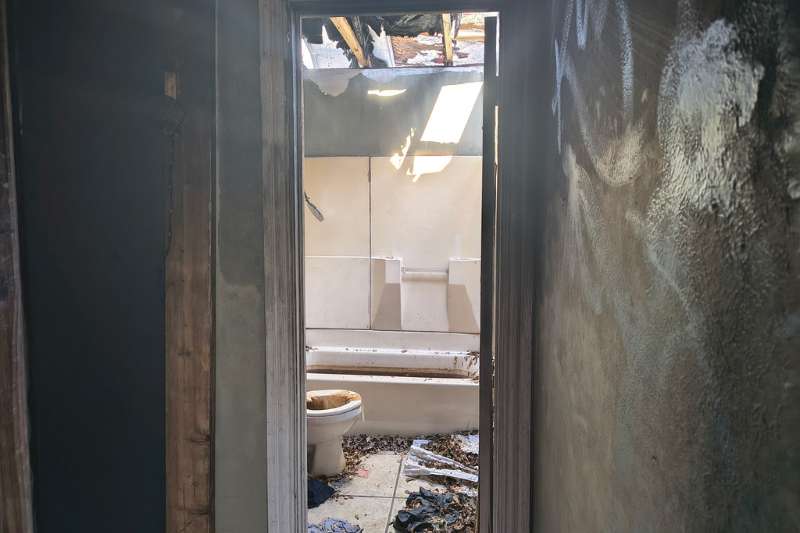
Understanding How Fire Damage Impacts Property Value
Fire damage doesn’t affect all properties equally. The extent and type of damage, your property’s location, and current market conditions all influence how much value is lost. Understanding these factors is the first step toward accurate pricing.
Minor cosmetic damage might only reduce your property’s value by 10% to 20%. This category includes smoke staining on walls and ceilings, damaged flooring in one or two rooms, or destroyed kitchen cabinets. Buyers can see past these issues and recognize that repairs are manageable and affordable.
Moderate damage affecting multiple rooms or major systems typically reduces value by 25% to 40%. This includes fire damage to electrical systems requiring rewiring, structural damage to load-bearing walls, or HVAC systems compromised by smoke. These repairs require licensed contractors and significant investment, which buyers factor into their offers.
Severe damage impacting the home’s structural integrity or requiring permits and inspections can slash value by 50% to 70% or more. When a home needs extensive foundation repair, roof replacement, or complete interior gutting, only investors and cash buyers typically show interest. These buyers need deep discounts to justify the risk and renovation costs.
Don’t forget invisible damage. Smoke infiltration in walls, lingering odors in ductwork, and water damage from firefighting efforts all affect value even when they’re not immediately obvious. Professional inspections often uncover these hidden issues, and savvy buyers will negotiate accordingly.
The fire’s cause sometimes impacts value too. A fire caused by a lightning strike or appliance malfunction is less stigmatizing than one caused by faulty wiring or careless behavior. Buyers worry about recurring issues, so documentation showing the cause was truly accidental can help preserve value.
Comparing Pre-Fire Value to As-Is Value
Establishing your home’s pre-fire value provides the baseline for determining how much fire damage has cost you. This isn’t as simple as looking up your last tax assessment or Zillow estimate—you need accurate, professional valuation.
Start by researching recent sales of comparable homes in your neighborhood that weren’t damaged. Look for properties sold within the past six months that match your home’s square footage, bedroom count, lot size, and overall condition before the fire. These comps represent what your home would have sold for without fire damage.
Online valuation tools offer quick estimates but often miss the nuances that affect actual sale prices. Use sites like Zillow, Redfin, and Realtor.com to get a general range, but don’t rely solely on these numbers. They can’t account for unique features, recent upgrades you made, or specific neighborhood dynamics.
Consider hiring a professional appraiser for a pre-loss valuation. While this costs $300 to $500, it provides credible documentation of your home’s value before the fire. This report strengthens insurance claims and helps justify your asking price to potential buyers. Some insurance policies even cover appraisal costs as part of the claims process.
Next, get your as-is value assessed. This requires either a post-fire appraisal or detailed contractor estimates showing exactly what repairs are needed and how much they’ll cost. Professional appraisers experienced with damaged properties can factor in repair costs, market demand for damaged homes, and comparable sales of similar fire-damaged properties.
The gap between these two values—pre-fire and as-is—represents your total fire damage loss. This number informs both your insurance claim and your pricing strategy. If your home was worth $500,000 before the fire and is now worth $350,000 as-is, you’ve lost $150,000 in value, or 30%.
Factoring in Repair Costs and Market Conditions
Repair costs directly impact what buyers are willing to pay for your fire-damaged property. Accurately estimating these costs is essential for competitive pricing.
Get detailed estimates from at least three licensed contractors who specialize in fire damage restoration. These estimates should break down costs by category: structural repairs, electrical work, plumbing, drywall replacement, flooring, painting, and any necessary permits or inspections. General estimates aren’t sufficient—you need line-item quotes that show exactly what needs to be done.
Expect significant variation between contractor estimates. A 20% to 30% difference between the lowest and highest bid is common. This spread reflects different approaches to the work, varying labor costs, and different quality levels of materials. The highest estimate isn’t necessarily the most accurate, but unusually low estimates should raise red flags about cut corners or hidden costs.
Don’t forget permit costs and inspection fees. Significant fire damage repairs require building permits in most Denver-area jurisdictions, and permit fees can run into thousands of dollars for major work. Factor in plan review fees, inspection costs, and the time delays permits can cause. Buyers savvy about renovation will include these in their calculations.
Current market conditions heavily influence what buyers will pay for damaged properties. In Denver’s competitive real estate market, even fire-damaged homes can receive multiple offers if priced right. When inventory is tight and buyer demand is high, damaged properties benefit from increased interest and better pricing.
Monitor how long other damaged properties sit on the market in your area. If fire-damaged homes are selling within 30 to 60 days, there’s healthy buyer demand. If similar properties linger for months, you may need to price more aggressively to generate interest.
Interest rates also affect your pricing strategy. When rates are low, more buyers can afford renovation financing, potentially increasing your buyer pool. When rates rise, cash buyers and investors dominate the damaged property market, and they typically push harder for lower prices.
Pricing Strategies for Different Levels of Fire Damage
Your pricing approach should align with your damage level and selling goals. Different strategies work for different situations.
For minor fire damage affecting only one or two rooms, consider pricing at 10% to 15% below comparable undamaged homes. This discount attracts buyers looking for a deal while still allowing you to capture most of your home’s pre-fire value. Market the property as a “cosmetic fixer” rather than a fire-damaged home to reduce stigma.
Moderate damage requires steeper discounts, typically 25% to 35% below market value for comparable undamaged properties. At this price point, you’ll attract serious buyers who have renovation experience and either cash or access to renovation loans. Highlight any recent upgrades that survived the fire intact, such as a new roof, updated bathrooms, or a remodeled basement.
Severe damage demands aggressive pricing, often 40% to 60% below undamaged comps. You’re primarily targeting investors and cash buyers who will gut the interior and completely rebuild. For these buyers, structure and location matter most. Emphasize lot size, neighborhood quality, school districts, and proximity to Denver amenities.
If damage is catastrophic and the structure may need to be demolished, price based on land value. Research recent land sales in your area and price accordingly, keeping in mind that buyers will need to factor in demolition costs of $10,000 to $30,000 depending on your home’s size. In desirable Denver neighborhoods, lot value can still be substantial even with a total loss.
Consider pricing just below common search thresholds. If comparable homes sell for $400,000, pricing at $299,000 captures buyers searching up to $300,000. This psychological pricing strategy increases visibility and showing requests.
The Role of Professional Appraisals in Pricing
Professional appraisals provide objective valuations based on market data, property condition, and comparable sales. For fire-damaged properties, specialized appraisers bring valuable expertise.
A post-fire appraisal considers your property’s current condition, required repairs, and how similar damaged properties have sold. The appraiser physically inspects the damage, reviews contractor estimates, and applies their knowledge of how damage affects value in your specific market.
Appraisers use three main approaches: the sales comparison approach, the cost approach, and the income approach. For fire-damaged homes, the sales comparison approach—which looks at recent sales of similar properties—and the cost approach—which calculates the cost to rebuild minus depreciation—are most relevant.
One challenge is finding truly comparable sales. Fire-damaged homes don’t sell frequently, so appraisers often need to look at broader data sets or make adjustments based on professional judgment. This is where experienced appraisers add significant value—they understand how to make these adjustments accurately.
Bank-required appraisals for buyer financing may come in lower than you expect. Lenders want to ensure they’re not over-lending, so appraisers working for banks tend toward conservative valuations. If you’re selling to a cash buyer or investor who doesn’t need bank financing, bank appraisal concerns disappear.
Consider getting two appraisals—one for your own planning and one that buyers will obtain if needed. Your appraisal helps establish your asking price and provides documentation for your reasoning. The buyer’s appraisal, if applicable, will influence whether their lender approves the loan amount.
Competitive Market Analysis for Fire-Damaged Properties
A comparative market analysis examines recent sales, active listings, and market trends to determine optimal pricing. For fire-damaged properties, this analysis requires adjustments that standard CMA reports don’t include.
Work with a real estate agent experienced in damaged property sales to prepare your CMA. Standard agents may not know how to properly adjust for fire damage, leading to unrealistic pricing recommendations. Look for agents who have successfully sold at least several fire-damaged homes in the Denver area.
Your CMA should include three categories of comparables: undamaged homes in good condition that represent your pre-fire value, fire-damaged homes that have sold recently in any condition, and renovated homes that were previously damaged to show post-repair potential.
Pay attention to days on market for each comparable. Properties that sold quickly likely were priced well, while those that sat for months were probably overpriced initially. This information helps you avoid the same mistakes.
Adjust comparables for differences in square footage, lot size, bedrooms, bathrooms, and location. Each difference affects value, and you need to account for these variations when comparing your property to others. A good CMA shows these adjustments transparently so you understand how the final valuation was reached.
Seasonal trends matter in Colorado real estate. Spring and early summer typically see the most buyer activity, while winter slows down significantly. If you’re selling in November or December, you may need to price more aggressively than you would in May or June to compensate for reduced buyer traffic.
Negotiation Strategies Based on Buyer Type
Different buyers approach fire-damaged properties with different goals, and your negotiation strategy should adapt accordingly.
Traditional homebuyers using conventional financing are the most challenging buyer type for fire-damaged properties. They need the home to appraise at or above the purchase price, and they expect the property to meet basic habitability standards. If you’re pursuing this buyer type, be prepared for extensive negotiations around repairs, credits, and price adjustments after inspections.
Renovation loan buyers using FHA 203(k) or Fannie Mae HomeStyle loans have more flexibility. They can finance both the purchase and repairs in a single loan, making them viable buyers for moderately damaged properties. These buyers still need appraisals and inspections, but they’re prepared for renovation work. Price competitively but don’t give away equity—these buyers expect some work but will pay fairly for properties in decent locations.
Real estate investors and house flippers will make low offers because they need profit margin and must account for holding costs during renovation. Expect initial offers 30% to 50% below your pre-fire value. Don’t take offense—this is their business model. Counter reasonably, but understand they have hard limits on what they can pay and still make money.
Cash home buying companies like Cash For Homes Now typically offer more than individual investors but less than you’d get from a traditional buyer after repairs. We account for repair costs but have lower profit requirements because we’ve streamlined our processes. Our offers typically fall in the middle of the range—not the highest possible price but fair for a quick, guaranteed closing.
When negotiating with any buyer, know your bottom line before discussions begin. Calculate your minimum acceptable price by considering what you owe on the mortgage, any insurance settlement you’re keeping, and what you need for your next living situation. Don’t share this number with buyers, but use it internally to guide your negotiation decisions.
When to Adjust Your Price After Listing
Even well-researched initial prices sometimes need adjustment based on market response. Knowing when and how to adjust prevents your property from becoming stale.
If you receive no showing requests within the first two weeks of listing, your price is likely too high. Buyers search online constantly, and fire-damaged properties priced correctly generate immediate interest. Lack of activity signals that your property isn’t appearing in buyers’ searches or that they’re eliminating it based on price.
Showings without offers also indicate pricing problems. If buyers tour the property but don’t make offers, the damage is worse than they expected relative to the price, or they found better opportunities elsewhere. Gather feedback from showing agents to understand why buyers aren’t biting.
Price reductions should be meaningful—at least 5% to 7%—to generate renewed interest and trigger new notifications to buyers. Small reductions of 1% or 2% signal desperation without actually making the property more attractive. Make one significant reduction rather than multiple tiny ones.
Timing matters with price reductions. Reduce after 30 days on market, 60 days, or 90 days to take advantage of new buyer searches each month. Many buyers filter results by “new listings” and “price reduced,” so strategic timing maximizes exposure.
Watch for market shifts during your listing period. If interest rates jump or several comparable properties hit the market, you may need to adjust even if your initial pricing was sound. Markets change quickly, and last month’s smart price might be this month’s overpricing.
Conversely, if you receive multiple offers quickly, you may have underpriced. Don’t adjust your asking price upward once listed—this looks unprofessional and frustrates interested buyers. Instead, use the multiple offers to negotiate better terms, faster closings, or fewer contingencies.
The Psychology of Pricing Fire-Damaged Homes
Buyer psychology significantly impacts how your fire-damaged property is perceived and what offers you receive. Strategic pricing accounts for these psychological factors.
Price endings matter more than most sellers realize. Prices ending in 9, 99, or 995 appear as better deals than round numbers. A home priced at $289,999 psychologically feels substantially cheaper than $290,000, even though the difference is negligible. This pricing strategy increases showings and offer activity.
Conversely, round numbers signal confidence and quality. If your damage is minor and you’re pricing close to market value, a round number like $350,000 suggests a well-maintained property despite the fire. This approach works best when you’ve made repairs and the home shows well.
The initial list price creates an anchor in buyers’ minds. If you start too high and then reduce, buyers wonder what’s wrong beyond the obvious fire damage. They assume you’re desperate or hiding problems. Starting at the right price from day one prevents this negative perception.
Discount percentage perception varies by buyer type. Individual homebuyers focus on whether the property fits their budget and needs. A 20% discount might excite them regardless of whether your starting point was $300,000 or $600,000. Investors, however, think in terms of return on investment and profit margins—they calculate discount percentages precisely.
Transparency builds trust and can justify your price. If you include documentation of your pre-fire value, detailed contractor estimates, and your reasoning for the asking price in your listing materials, serious buyers appreciate the honesty. This approach works especially well in Denver’s market, where buyers expect straightforward dealings.
Pricing for Speed vs. Maximum Value
Your timeline influences your pricing strategy significantly. Fast sales and maximum value rarely coincide when selling fire-damaged property.
If you need to sell within 30 days, aggressive pricing is essential. Price at the low end of your estimated range—potentially 5% to 10% below your research suggests—to generate immediate, serious interest. This approach attracts multiple buyers and can even spark bidding situations if your price is attractive enough.
Quick sales favor as-is condition. The buyers who can close fastest are cash buyers and investors who don’t need financing contingencies or lengthy due diligence periods. Price for these buyers by clearly signaling you’re not making repairs and want a fast, simple transaction.
For maximum value, expect a longer timeline. Price at the higher end of your range and plan for 60 to 90 days or more on the market. This strategy targets buyers willing to wait for financing, complete extensive due diligence, and potentially negotiate repair credits rather than buy strictly as-is.
Higher-priced strategies often include some repairs before listing. Investing in professional cleaning, odor removal, and minor cosmetic fixes can increase your sale price by more than the repair costs. However, this approach requires capital and time.
Consider a hybrid approach: start with a slightly higher price for 30 days to test the market, then reduce strategically if needed. This balances the desire for maximum value with the practical need to sell within a reasonable timeframe. You might capture a buyer willing to pay more, but you’re not locked into an unrealistic price forever.
Your personal financial situation should drive this decision. If you’re carrying two mortgages or paying for temporary housing, holding costs can quickly eat up any extra sale proceeds from waiting for a higher offer. Sometimes the lower price with immediate certainty is the smarter financial choice.
Common Pricing Mistakes to Avoid
Certain pricing errors repeatedly undermine sellers of fire-damaged properties. Recognizing and avoiding these mistakes improves your outcomes.
Emotional attachment leads to overpricing. Your home holds memories and represents years of investment, making it difficult to accept that fire damage has permanently reduced its value. Separate your emotional connection from the pricing decision by relying on objective data and professional guidance.
Ignoring the competition is another costly error. If three similar fire-damaged properties are listed at $250,000 to $270,000, pricing yours at $320,000 because “it’s worth it” doesn’t work. Buyers compare options, and overpriced listings simply don’t get shown.
Overestimating repair values is common. Sellers assume that because they would have spent $50,000 fixing the damage, the house is only worth $50,000 less than its pre-fire value. This logic ignores buyer risk, stigma, and the fact that buyers can often complete repairs cheaper than your estimates through contractor connections or DIY work.
Failing to account for selling costs skews your net proceeds calculations. Even if you skip real estate commissions by selling to a cash buyer, you’ll still have title insurance, transfer taxes, and potential mortgage payoff costs. Build these into your pricing model so you know what you’ll actually net from various offer prices.
Inflexibility during negotiations costs sellers thousands. If you receive an offer $15,000 below your asking price and refuse to negotiate, you might lose the sale entirely. That buyer might have come up $10,000, netting you just $5,000 less than your desired price while securing a guaranteed closing.
Not updating your price based on market feedback is stubborn and expensive. If your property has been listed for 60 days with minimal interest, the market is clearly telling you the price is wrong. Waiting another 60 days at the same price won’t magically produce a buyer willing to overpay.
Working with Cash Buyers vs. Traditional Buyers
The buyer type you target dramatically affects your pricing strategy and sale experience. Understanding both options helps you choose the right path.
Cash buyers include individual investors, house flipping companies, and cash home buying businesses like Cash For Homes Now. We purchase properties as-is, close quickly, and don’t require appraisals or financing contingencies. For sellers, this means certainty and speed but typically lower prices than perfect-world traditional sales.
Cash offers account for all repair costs, holding expenses during renovation, and profit margin. When we make an offer on your fire-damaged property, we’ve calculated that we need to purchase at a certain price point to make the deal work financially. This isn’t negotiable beyond small adjustments—we have hard limits based on our business model.
Traditional buyers using financing face significant hurdles with fire-damaged properties. Their lenders require appraisals, inspections, and verification that the property meets minimum safety standards. Many damaged homes simply can’t qualify for conventional financing until major repairs are completed.
The price difference between cash and traditional buyers can be substantial—often 15% to 25%. However, traditional sales carry risks. Financing can fall through, appraisals can come in low, and inspections can uncover issues that kill deals. These risks may make the lower but certain cash offer more attractive.
Consider your net proceeds from both scenarios. A traditional buyer might offer $300,000 with a 60-day closing, 6% in real estate commissions ($18,000), and various contingencies. A cash buyer might offer $260,000 with a 10-day closing, no commissions, and no contingencies. Your net proceeds differ by only $22,000, but the cash sale provides certainty and happens eight weeks sooner.
Time value of money matters too. Receiving $260,000 in 10 days versus $282,000 in 70 days (if everything goes perfectly) might favor the faster payout when you factor in two months of mortgage payments, insurance, utilities, and the opportunity cost of having your equity tied up.
How Cash For Homes Now Determines Fair Offers
Understanding our offer process helps Denver homeowners evaluate whether selling to Cash For Homes Now makes sense for their situation.
We start by researching your property’s location, lot size, and pre-fire condition based on public records and any information you provide. Location is critical—properties in desirable Denver neighborhoods with good schools and low crime hold value better even with significant damage.
Next, we assess the fire damage based on your description, photos, and any professional reports you’ve obtained. We need to understand both visible damage and likely hidden issues like smoke in walls, compromised electrical systems, or water damage from firefighting efforts.
We obtain contractor estimates for the restoration work required. Our long-standing relationships with fire damage restoration contractors give us accurate, competitive pricing for repairs. These aren’t inflated estimates—we actually pay these costs after purchasing, so accuracy is in our interest.
After calculating repair costs, we factor in holding costs during the renovation period. This includes mortgage interest (if applicable), property taxes, insurance, utilities, and security costs. Depending on damage extent, we might hold the property for 2 to 6 months during restoration.
We add our business costs including acquisition expenses, title work, and administrative overhead. Unlike individual investors, we have systems that reduce these costs, allowing us to offer more competitive prices.
Finally, we build in a modest profit margin. Our business model focuses on volume and efficiency rather than maximum profit per deal. We’d rather do more deals at fair prices than fewer deals at maximum prices.
The result is a transparent offer based on objective factors, not arbitrary negotiation starting points. When we present an offer, we explain our calculation so you understand exactly how we arrived at the number. This transparency builds trust and helps you make an informed decision.
Taking the Next Steps Toward Selling
Pricing your fire-damaged Denver home correctly sets the foundation for a successful sale. Whether you choose to list traditionally or sell to a cash buyer like Cash For Homes Now, understanding your property’s true value empowers you to negotiate effectively and maximize your proceeds.
Remember that the right price depends on your unique situation—your timeline, financial needs, risk tolerance, and emotional readiness to move forward. There’s no one-size-fits-all answer, but armed with the strategies in this guide, you can make a confident, informed decision.
If you’re ready to explore selling your fire-damaged property, Cash For Homes Now is here to help. We’ll provide a free, no-obligation consultation and a transparent cash offer based on your property’s specific situation. Contact us today at (281) 725-7221 or visit cashforhomesnow.com to get started.
Your fresh start is closer than you think, and we’re here to make the process as smooth and straightforward as possible.