The Hidden Connection Between Permits and Property Appraisals
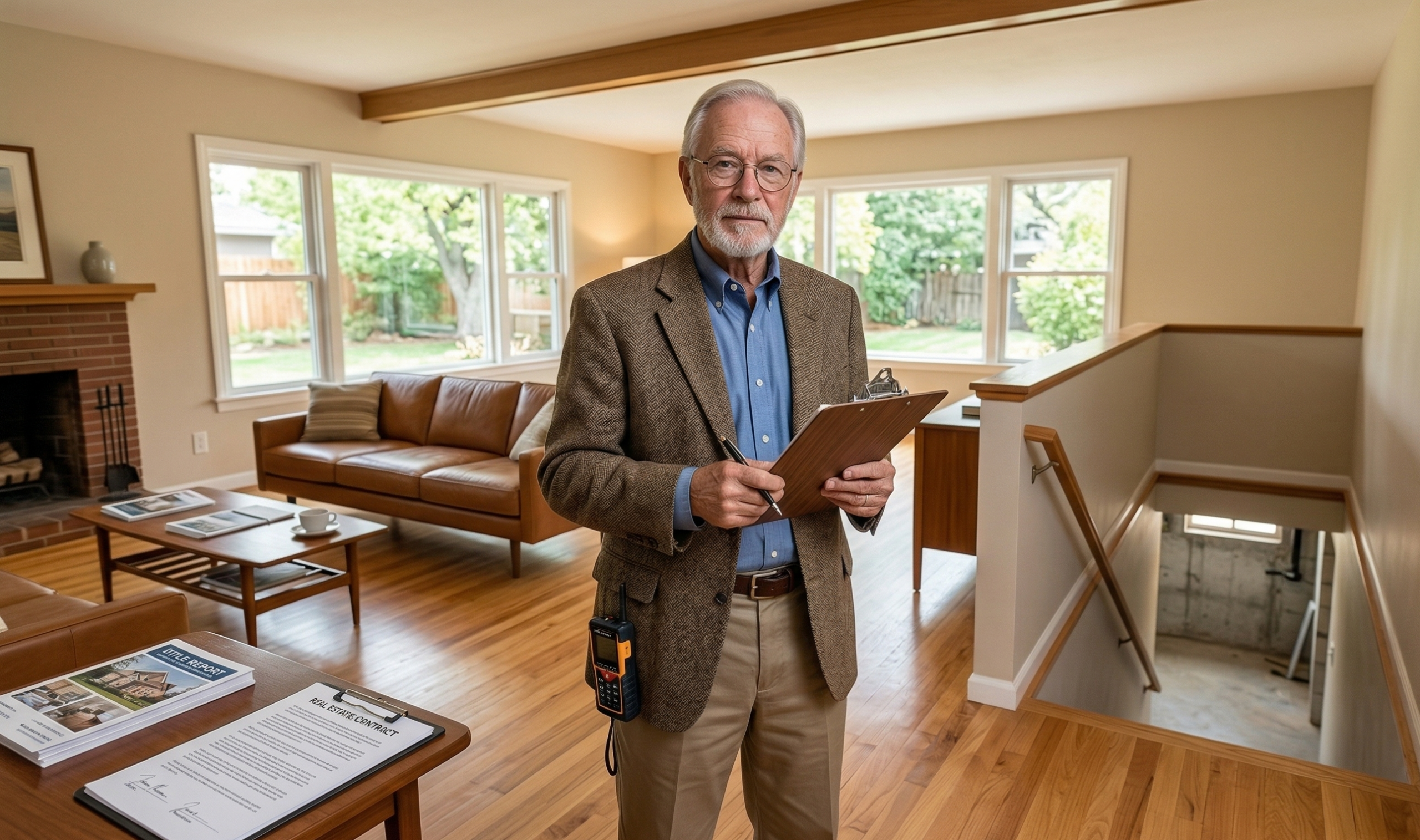
When you’re preparing to sell your Denver home, the appraisal is one of the most pivotal moments in the entire transaction. An appraiser’s number becomes the lender’s ceiling — and if your property has unpermitted work, that ceiling can drop fast.
Many Denver homeowners don’t realize that appraisers are trained to identify improvements that lack proper documentation. A finished basement, a converted garage, an added bedroom — if these spaces weren’t permitted through Denver Community Planning and Development (CPD), they may be excluded from your home’s total square footage and livable space count.
The practical result is painful: you may have invested $40,000 into a basement finish, but if it was never permitted, an appraiser might value it at a fraction of that — or omit it entirely. In a competitive market like Denver’s, even a modest square footage discrepancy can cost you tens of thousands of dollars in your final sale price.
Why Lenders Take Unpermitted Work So Seriously
Mortgage lenders in Colorado operate under strict underwriting guidelines set by agencies like Fannie Mae and Freddie Mac. These guidelines exist to protect their investment — and unpermitted work represents an undefined risk they are generally unwilling to absorb.
When an appraiser flags unpermitted work in their report, lenders typically respond in one of three ways: they require the seller to retroactively permit the work before closing, they reduce the loan amount to exclude the unpermitted improvements, or they decline to finance the property altogether.
This financing restriction dramatically narrows your buyer pool. Instead of reaching every qualified buyer who walks through your door, you may find yourself dealing exclusively with cash buyers or investors — groups who typically offer below market value precisely because they’re absorbing the risk and future remediation costs you couldn’t resolve.
• FHA loans are particularly strict — any code violations or unpermitted work often triggers a required repair condition before funding
• VA loans require the home to meet minimum property standards, which unpermitted work may violate
• Conventional loans give lenders more discretion, but most still flag major unpermitted improvements
• Jumbo loans (common in Denver’s higher price tiers) often have even stricter documentation requirements
How Denver’s Local Permitting Environment Shapes Your Sale
Denver’s real estate market has seen explosive growth over the past decade, and with that growth came a wave of DIY renovations, flipped properties, and owner-completed work that bypassed the city’s permitting process. The Denver CPD estimates that a significant percentage of homes in older Denver neighborhoods — especially those built between 1950 and 1990 — contain at least one unpermitted modification.
This means buyers and their agents have become more savvy about asking the right questions. Experienced Denver buyers’ agents routinely request permit histories as part of due diligence, and home inspectors in the area are trained to spot the telltale signs: mismatched materials, non-code-compliant egress windows, DIY electrical panels, and additions that don’t match original blueprints.
The city’s online permit lookup tool allows anyone to review what work has been legally permitted at any address. Buyers can pull this information themselves — which means any attempt to hide unpermitted work is likely to backfire during the inspection and appraisal process.
Retroactive Permitting in Denver: What You Should Know
Retroactive permitting — sometimes called an ‘as-built permit’ — is Denver’s mechanism for after-the-fact legalization of completed work. The process starts with contacting Denver CPD, submitting detailed plans of the existing work, paying applicable fees, and scheduling inspections.
The Denver Retroactive Permitting Process
• Contact Denver Community Planning and Development (CPD) to initiate a permit application
• Submit as-built drawings or plans showing the existing construction
• Pay permit fees, which typically range from $150 to over $3,000 depending on project scope
• Schedule required inspections — inspectors may require walls to be opened to verify structural and mechanical work
• Complete any corrections needed to bring the work into compliance with current Denver building codes
• Receive a Certificate of Occupancy or final sign-off
The timeline is highly variable. Simple cosmetic additions might be resolved in a few weeks. Major structural changes or electrical rewiring could take months — and require significant remediation work before passing inspection. For sellers hoping to close quickly, this timeline can be a dealbreaker.
That’s why many Denver homeowners with significant unpermitted work choose to bypass the traditional sale process entirely and work with local cash buyers like Cash For Homes Now, who purchase properties as-is and handle all permitting and code issues after closing.
Strategically Pricing Your Denver Home With Unpermitted Work
If retroactive permitting isn’t feasible within your timeline, pricing strategy becomes your most important tool. Working with a knowledgeable Denver real estate consultant, you can position your home to attract the right buyers while minimizing negotiating friction.
The key is to price from reality, not aspiration. Your listing price should reflect the home as legally documented — not as it physically exists with unpermitted additions. Overpricing a home with unpermitted work is one of the fastest ways to invite lowball offers, extended days on market, and difficult negotiations after inspection.
Sellers who are transparent about unpermitted work upfront, price accordingly, and target the right buyer profile tend to close faster and with less drama than those who try to hide or minimize the issue. Cash buyers and investors who specialize in Denver properties are often willing to move quickly — particularly when they know exactly what they’re getting.
The Cash Buyer Advantage for Homes With Appraisal Challenges
For Denver homeowners whose unpermitted work creates significant appraisal and financing complications, working with a direct cash buyer may be the most efficient path to closing. Cash buyers don’t rely on lender appraisals, don’t require permits as a condition of purchase, and aren’t subject to the underwriting guidelines that create delays and fall-throughs in traditional sales.
Cash For Homes Now has extensive experience purchasing Denver-area homes with unpermitted additions, finished basements, garage conversions, and other improvements that complicate the traditional sale process. We evaluate the property holistically — understanding both its current condition and its future potential — and provide fair, transparent cash offers that account for the real costs involved.
If you’re dealing with appraisal concerns or buyer financing complications tied to unpermitted work, a direct cash sale can eliminate months of uncertainty and put money in your pocket without the costly detour of retroactive permitting.
Ready to Sell Your Denver Home — No Matter Its Condition?
Cash For Homes Now buys houses as-is throughout Denver, CO and surrounding areas. No repairs, no permits, no hassle. Call us at (720) 599-4475 or visit cashforhomesnow.com to get your free, no-obligation cash offer today.