Selling a home after fire damage raises important legal questions that many Denver homeowners aren’t prepared to answer. What exactly do you have to disclose? How much detail is required? What happens if you don’t reveal everything? These questions carry serious consequences, as disclosure failures can result in lawsuits, financial penalties, and even criminal charges in extreme cases.
At Cash For Homes Now, we’ve guided hundreds of Denver-area homeowners through the disclosure process when selling fire-damaged properties. This comprehensive guide explains Colorado’s disclosure requirements, your legal obligations as a seller, and how to protect yourself from future liability.
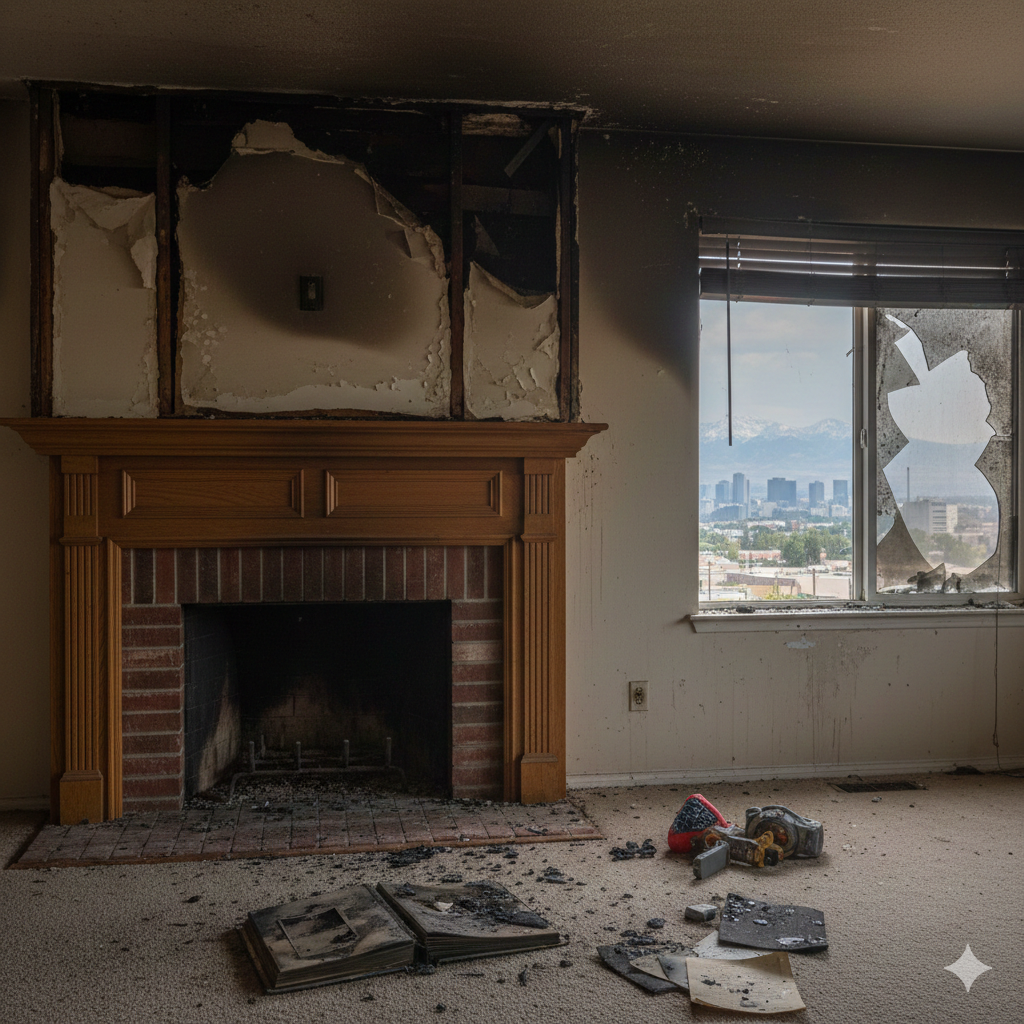
Understanding Material Defects and Disclosure Requirements
Colorado law requires sellers to disclose all known material defects in a property, and fire damage always qualifies as material. A material defect is any condition that significantly affects the property’s value, desirability, or structural integrity, or poses a health or safety risk to occupants.
Fire damage meets this definition on multiple levels. It affects structural integrity through weakened framing, compromised foundations, and damaged load-bearing walls. It impacts value since fire-damaged properties sell for substantially less than undamaged comparable homes. It raises safety concerns through compromised electrical systems, weakened structures, and potential toxic residue from burned materials.
The “known” requirement is important but doesn’t protect you as much as you might hope. Courts interpret “known” broadly to include things you should have known with reasonable diligence. If professional inspections revealed hidden smoke damage in your walls but you never looked at the report, you’re still liable for not disclosing that damage.
You cannot selectively disclose only the damage you repaired while hiding unrepaired damage. If the fire damaged your kitchen, living room, and attic, but you only repaired the kitchen, you must disclose all three areas of damage. Partial disclosure that creates a false impression is just as problematic as non-disclosure.
Even minor fire damage requires disclosure. The law doesn’t provide exemptions for small fires that only damaged a single room or caused primarily cosmetic issues. A kitchen fire that only burned cabinets and left smoke stains still affected your property’s value and must be disclosed to buyers.
The disclosure requirement persists even after repairs. Successfully repairing all fire damage doesn’t eliminate your obligation to disclose the fire’s history. Buyers have the right to know that the property suffered fire damage at any point, regardless of how well you fixed it.
Colorado’s Seller’s Property Disclosure Form Requirements
Colorado uses standardized property disclosure forms that sellers must complete and provide to buyers. For properties built before July 1, 2013, sellers use the Seller’s Property Disclosure (SPD) form. For newer properties, the Residential Addendum to Contract to Buy and Sell Real Estate includes disclosure requirements.
The SPD form includes specific questions about property condition, structural issues, and past problems. While the form doesn’t have a specific “fire damage” checkbox, several sections directly apply to fire-damaged properties.
The structural section asks about foundation problems, roof issues, and damage to load-bearing walls—all common fire damage consequences. You must honestly answer these questions based on your property’s current condition and its history. If your foundation was damaged by fire but has since been repaired, you disclose both the damage and the repair.
The electrical and plumbing sections require disclosure of any known problems with these systems. Fire commonly damages wiring, breaker panels, and plumbing, making these sections critical for fire-damaged homes. Even if systems appear to work, if you know fire affected them, you must disclose it.
The form also includes a general section asking about any other material defects or issues affecting the property. This is where you should specifically mention the fire, including when it occurred, what caused it if known, which areas were damaged, and what repairs were completed.
Provide detailed information rather than vague statements. Instead of writing “minor fire damage repaired,” specify “kitchen fire on March 15, 2024, caused by stovetop, damaged kitchen cabinets and ceiling, smoke damage to adjacent dining room, repairs completed by ABC Restoration with permits.” This level of detail protects you by demonstrating full disclosure.
Attach additional pages if needed. The disclosure form provides limited space, and fire damage often requires more explanation than the form allows. Don’t let space constraints prevent complete disclosure—staple additional sheets explaining the full extent of damage and repairs.
Disclosure Obligations for Repaired vs. Unrepaired Damage
Your disclosure requirements differ slightly depending on whether you repaired the fire damage before selling, though both scenarios mandate full transparency.
For unrepaired fire damage, your disclosure must describe the current condition comprehensively. Include the date of the fire, its cause if known, all affected areas, and any professional assessments or estimates you’ve obtained. Provide documentation such as fire department reports, insurance adjuster evaluations, and contractor estimates.
Be honest about things you’re uncertain about. If you’re not sure whether smoke reached certain areas or if hidden damage exists behind walls you haven’t opened, say so. Uncertainty is better than a definitive statement that later proves false. Language like “smoke may have affected the HVAC system but this hasn’t been professionally evaluated” protects you while being honest with buyers.
For repaired fire damage, disclose both the original damage and all restoration work performed. Buyers need to know what was damaged, when repairs occurred, who completed them, whether permits were obtained, and if inspections confirmed the work met code requirements.
Provide copies of all repair documentation including contractor invoices, material receipts, permit records, and inspection certificates. This documentation proves the work was done professionally and legally. It also reassures buyers that repairs were handled properly.
If you kept the insurance settlement but didn’t complete all repairs, you must disclose this situation explicitly. Some sellers receive insurance money covering certain repairs but choose to sell instead of completing the work. Failing to disclose that insurance money was received but repairs weren’t made is fraudulent and can trigger lawsuits.
Partial repairs require especially careful disclosure. If you repaired the structural damage but not cosmetic issues, or fixed the kitchen but left the bedroom damaged, specify exactly what was and wasn’t addressed. Buyers who discover additional damage after closing can claim you implied all damage was repaired when you only disclosed some repairs.
How to Properly Document Fire Damage for Disclosure
Thorough documentation protects you legally while building buyer confidence. The more comprehensive your records, the less likely you’ll face disclosure-related problems later.
Start with the fire department’s incident report. This official document establishes when the fire occurred, how firefighters assessed the damage, and any official findings about the cause. Request this report early, as obtaining it can take several weeks. Include it with your disclosure package rather than just mentioning it exists.
Take extensive photographs immediately after the fire, before any cleanup or repairs begin. These photos should show every damaged area from multiple angles. Wide shots provide context, while close-ups capture specific damage details. Date-stamp your photos if possible or keep metadata intact to prove when they were taken.
If you complete repairs, photograph the restoration process step by step. Document demolition work, new framing, electrical and plumbing repairs, drywall installation, and finishing work. This visual timeline proves the scope of repairs and the quality of workmanship.
Hire professional inspectors to assess damage even if you plan to sell as-is. Structural engineers can evaluate foundation and framing damage, while general home inspectors assess overall condition. Specialized inspectors may be needed for electrical systems, HVAC equipment, and smoke odor issues. These professional reports provide objective documentation that courts and arbitrators respect.
Gather all contractor estimates, invoices, and contracts related to repairs. These documents establish what work was recommended, what you actually completed, and how much you paid. They also prove you hired licensed professionals rather than cutting corners with unlicensed contractors.
Collect all permits and inspection certificates. Every significant repair should involve proper permitting, and the jurisdiction should have inspected and approved the work. These records prove your repairs met code requirements and were performed legally.
Save all insurance correspondence including your claim, adjuster reports, settlement offers, and final payment documentation. This paperwork establishes the insurance company’s assessment of damage and what they paid to remedy it. Discrepancies between insurance assessments and your disclosures can raise red flags, so consistency is important.
Timing Your Disclosure Obligations
Colorado law requires disclosure at specific points in the transaction, and timing failures can void contracts or trigger liability.
You must provide the Seller’s Property Disclosure form to buyers before or at the time you accept an offer. Waiting until after acceptance isn’t permissible—buyers need this information to make informed decisions about whether to proceed with the purchase.
In practice, many sellers provide disclosure forms when they list the property. Attaching disclosures to your listing allows buyers to review the information before making offers, reducing the chance of deals falling apart during due diligence. This transparency also demonstrates your honesty and can actually speed up sales by attracting only serious buyers who understand the property’s condition.
If you discover new information about fire damage after providing initial disclosures but before closing, you must update your disclosure immediately. Waiting until closing or hoping the buyer won’t notice creates liability. Colorado law requires ongoing disclosure of newly discovered material defects throughout the transaction.
New discoveries often occur during buyer inspections. When their inspector finds hidden smoke damage you weren’t aware of, you haven’t violated disclosure laws because you didn’t know about it. However, once you learn of it, you must formally update your disclosure in writing. Verbal acknowledgment isn’t sufficient—document all disclosures in writing.
After closing, disclosure obligations generally end. You’re not liable for issues that develop after the buyer takes ownership or damage that occurs after the closing date. However, if you knew about a problem before closing but didn’t disclose it, you remain liable even after the sale completes.
Buyers typically have several years to discover undisclosed defects and file claims, with exact timelines varying by jurisdiction and the nature of the defect. This means maintaining your disclosure documentation indefinitely is wise, as you may need to prove what you disclosed years after the sale.
Consequences of Non-Disclosure in Colorado
Failing to disclose fire damage triggers serious legal and financial consequences that can exceed any benefit you might gain from hiding the problem.
Fraudulent misrepresentation is the most common legal claim against sellers who don’t disclose fire damage. If a buyer can prove you knowingly failed to disclose material fire damage, they can sue for damages including repair costs, diminished property value, and their legal expenses. Colorado courts have awarded damages ranging from tens of thousands to hundreds of thousands of dollars in non-disclosure cases.
Contract rescission is another potential consequence. In severe cases where non-disclosure is particularly egregious, courts may void the entire sale. This means returning the property to you and refunding the buyer’s purchase price—minus any value the buyer already extracted, like rental income. You also lose any improvements the buyer made, creating extremely unfavorable financial outcomes.
Punitive damages can be added when non-disclosure appears intentional or particularly deceptive. These damages punish bad behavior rather than simply compensating victims. If the court believes you deliberately hid fire damage to extract a higher price, punitive damages can multiply your liability significantly.
Criminal charges are rare but possible in extreme cases involving deliberate fraud. If you created false documentation, bribed inspectors, or engaged in elaborate schemes to hide fire damage, prosecutors may pursue fraud charges. These criminal cases are uncommon but do occur when deception is particularly brazen.
License issues affect real estate professionals who help sellers avoid disclosure obligations. Agents and brokers who participate in non-disclosure schemes can lose their licenses, face fines, and get sued by buyers. For this reason, experienced agents insist on complete disclosure to protect themselves and their clients.
Insurance complications arise when non-disclosure leads to claims. Your homeowners insurance or errors and omissions insurance may exclude coverage for claims arising from intentional non-disclosure or fraud. This means paying legal defense costs and any judgments entirely out of pocket.
Reputation damage extends beyond legal consequences. Real estate is a relationship business, and word spreads quickly about sellers who hide problems. In Denver’s interconnected market, a reputation for dishonesty can affect future real estate transactions and professional relationships.
Special Disclosure Considerations for As-Is Sales
Selling as-is doesn’t reduce your disclosure obligations, despite common misconceptions. The “as-is” designation simply means you won’t make repairs, not that you can hide known problems.
As-is clauses in contracts specify that the buyer accepts the property in its current condition and won’t request repairs. This protects you from buyer demands to fix issues after inspection. However, as-is clauses never waive your duty to disclose known material defects.
Courts consistently rule that as-is sales require full disclosure. In numerous cases, sellers argued that “as-is” meant they didn’t have to reveal problems. Judges uniformly rejected this interpretation, holding that as-is refers to repair obligations, not disclosure duties. Buyers can accept properties with problems as-is only if they actually know about those problems.
Buyers purchasing as-is properties still have the right to inspect and verify your disclosures. Most purchase contracts, even as-is ones, include inspection contingencies allowing buyers to walk away if inspections reveal undisclosed problems. This contingency persists regardless of the as-is designation.
Cash buyers and investors purchasing fire-damaged properties as-is expect full disclosure. These sophisticated buyers aren’t looking for surprises—they want to accurately assess repair costs and project profitability. Non-disclosure undermines their ability to make informed decisions and exposes you to liability even when selling to experienced investors.
Emphasize that as-is means no repairs, not no disclosure, in all communications with buyers. Clear language like “the property is sold as-is with no repairs by seller, but seller has fully disclosed all known fire damage and material defects” protects both parties by setting appropriate expectations.
Working with Real Estate Agents on Disclosure
Your real estate agent plays a crucial role in ensuring proper disclosure, and choosing an agent familiar with damaged property sales is essential.
Experienced agents understand disclosure requirements and will push you to reveal everything, even when you’d prefer not to. While this might seem annoying, it protects you from future liability. Agents who downplay disclosure obligations or suggest hiding problems are doing you a disservice and exposing themselves to liability.
Your agent has independent disclosure obligations beyond yours. Under Colorado law, real estate professionals must disclose material facts they know about, even if the seller doesn’t disclose them. This means your agent can’t help you hide fire damage without risking their own license and legal liability.
Listing agreements typically require you to indemnify your agent against claims arising from your non-disclosure. If a buyer sues for undisclosed fire damage, your agent can seek reimbursement from you for their legal costs. This contractual provision gives agents leverage to insist on complete disclosure.
Many agents require sellers to sign acknowledgments confirming they’ve provided all required disclosures before listing the property. This documentation proves the agent advised you properly and shifts liability for non-disclosure to you. Don’t view these acknowledgments as bureaucratic hassles—they’re protection for everyone involved.
Choose an agent experienced with fire-damaged properties when possible. These agents understand specific disclosure issues that arise with fire damage and can guide you through the process. They’ve seen what works and what causes problems, making their experience valuable.
Communicate openly with your agent about everything you know. Agent-client conversations are generally privileged, meaning your agent can’t be forced to testify against you in most situations. Being honest with your agent allows them to protect you properly and advise on disclosure strategy.
Disclosure Requirements for Out-of-State Owners
Colorado’s disclosure laws apply to all properties in the state regardless of where the owner lives. Out-of-state sellers sometimes mistakenly believe their home state’s laws govern the transaction, but Colorado law controls.
Hire a Colorado-licensed real estate attorney if you’re selling from out of state. Laws vary significantly between states, and attorneys licensed only in your home state may not understand Colorado’s specific requirements. A local attorney ensures compliance with state law and protects you from mistakes.
Your absence from Colorado doesn’t excuse disclosure failures. Courts won’t accept “I didn’t know Colorado required that” as a defense. Ignorance of local law doesn’t protect you from liability, making professional guidance especially important for out-of-state sellers.
Remote selling presents documentation challenges. Obtaining fire reports, contractor invoices, and inspection certificates from afar can be difficult. Plan extra time for gathering these documents and consider authorizing someone locally to retrieve records on your behalf.
Different states have different disclosure form requirements, but Colorado forms must be used for Colorado sales. Don’t assume the forms you used in your home state satisfy Colorado requirements. Your agent or attorney should provide appropriate Colorado-specific forms.
If you weren’t present during the fire or haven’t seen the damage personally, disclose this limitation. Buyers need to know whether your damage assessment comes from firsthand observation or secondhand information. Language like “seller was not present during fire and damage description is based on insurance adjuster reports” sets appropriate expectations.
Insurance Claim Disclosure and Its Impact
How you handle your insurance claim affects what you must disclose and can impact buyers’ perception of your property.
You must disclose that you filed an insurance claim for fire damage even if the claim is still pending. Buyers need to know a claim exists, what it covers, and its current status. Hiding an ongoing claim is dishonest and prevents buyers from making informed decisions about potential liens or unresolved issues.
Disclose the insurance settlement amount and how it was used. If you received $75,000 and spent it all on repairs, say so. If you received $75,000 but only spent $50,000 on repairs, keeping $25,000, you must disclose this as well. Buyers often want to understand the economics of your fire damage situation.
If your insurance company denied your claim or provided less than you believed you deserved, disclose this information too. Claim denials may indicate problems with the property that led insurers to question coverage. Buyers learning about denied claims after closing may suspect you hid something.
Settlement disputes that resulted in litigation or arbitration should be disclosed. These legal actions become public records, and buyers can discover them through title searches or property history reports. Proactively disclosing prevents buyers from feeling deceived when they discover this information independently.
If you’re keeping insurance money without repairing all damage, expect buyer skepticism. This situation is legal but raises questions about what wasn’t fixed and why. Prepare detailed explanations about which repairs you completed, which you skipped, and why you made those choices.
Dealing with Suspected But Unconfirmed Damage
Sometimes you suspect additional fire damage exists but haven’t confirmed it through inspections. This situation creates disclosure dilemmas.
The conservative approach is to disclose your suspicions even without confirmation. Language like “seller suspects smoke may have penetrated wall cavities in the master bedroom but hasn’t opened walls to verify” protects you while being honest with buyers. This disclosure allows buyers to investigate further during their due diligence.
If you deliberately avoid confirming suspected damage to maintain plausible deniability, you’re creating liability. Courts can find this willful blindness equivalent to actual knowledge. Buyers who later discover the damage you suspected but didn’t confirm can argue you should have known about it.
Consider ordering professional inspections to confirm or rule out suspected damage before listing. While this costs money and might uncover problems you’d prefer not to know about, it provides certainty and allows for accurate disclosure. Discovering problems before listing is always better than buyers discovering them after contract acceptance.
If you can’t afford comprehensive inspections, at least disclose your uncertainty. Statements like “seller has not opened ceiling above fire-damaged area to determine if smoke reached attic space” put buyers on notice that hidden damage may exist. This transparency allows buyers to factor investigation costs into their offers.
Never make definitive statements about areas you haven’t inspected. Saying “there is no smoke damage in the attic” when you haven’t actually checked creates liability if buyers later find smoke damage there. Stick to what you actually know based on observation or professional assessment.
Special Disclosure Rules for Rental Properties
If you’re selling a rental property that suffered fire damage, additional disclosure considerations apply.
You must disclose the fire to your tenant immediately after it occurs, even if they weren’t present during the fire. Tenants have rights to know about damage affecting their rental unit, especially if it impacts habitability or safety. Failing to notify tenants can violate landlord-tenant laws and create additional liability.
Tenant notification of fire damage should be in writing and include details about affected areas, whether the unit remains habitable, repair timelines, and any safety precautions tenants should take. Keep copies of all tenant communications as part of your disclosure documentation.
When selling, disclose to buyers not only the fire damage but also what tenants were told about it and how it affected the tenancy. If tenants withheld rent due to habitability issues caused by the fire, buyers need to know. If you reduced rent during repairs, disclose this arrangement.
Tenant lease agreements may contain provisions about fire damage and property condition. Buyers assuming these leases need to understand any agreements you made with tenants regarding the fire. Undisclosed agreements can create surprises when new owners try to enforce lease terms.
If fire damage led to tenant move-outs, disclose why they left. Buyers considering rental property investments want accurate information about turnover causes. If fire-related habitability issues prompted departures, this affects buyers’ assessment of the property’s rental viability.
Red Flags That Indicate Disclosure Problems
Certain situations signal potential disclosure issues that require extra attention and caution.
If contractors suggest you don’t need permits for fire damage repairs, this is a major red flag. Most significant fire damage restoration requires permits, and completing unpermitted work creates disclosure and legal issues. Insist on proper permits even if contractors claim they’re unnecessary.
When insurance adjusters identify more damage than you initially thought existed, don’t minimize this discrepancy. The adjuster’s assessment is professional and documented, and trying to downplay issues the adjuster found creates inconsistency that buyers will notice. Trust professional assessments over wishful thinking about damage extent.
If your real estate agent seems uncomfortable with your disclosure approach or asks repeated questions about whether you’ve revealed everything, take this seriously. Agents develop instincts about disclosure problems through experience. Their discomfort often signals that you haven’t been fully transparent.
Buyer questions during showings about inconsistencies between your disclosures and what they observe indicate potential problems. If buyers ask why there’s soot in the attic when you said only the kitchen was damaged, you’ve likely under-disclosed. Address these observations immediately with updated disclosures rather than hoping buyers won’t pursue the issues.
Title company or attorney concerns about your disclosures shouldn’t be dismissed. These professionals close transactions regularly and recognize problematic disclosure patterns. If your title company suggests additional disclosures or expresses concern about your current documentation, take their advice seriously.
Multiple rounds of buyer due diligence questions about fire damage suggest your initial disclosure wasn’t sufficiently detailed. If buyers keep asking for clarification about when the fire occurred, what was damaged, and what repairs you completed, you probably should have included more detail upfront.
How Cash Buyers Handle Disclosure
Cash buyers and investors approach fire damage disclosure differently than traditional buyers, but disclosure remains legally required regardless of buyer type.
Experienced investors expect detailed disclosure and typically won’t penalize you for being thorough. Unlike traditional buyers who might get scared off by extensive damage lists, investors understand fire damage and price accordingly. Your comprehensive disclosure helps them calculate accurate repair costs, which is exactly what they need.
Cash buyers often waive inspection contingencies, but this doesn’t mean they skip due diligence. Most conduct their own thorough inspections before closing to verify your disclosures and check for additional issues. Discrepancies between your disclosure and their findings can still derail the sale or trigger renegotiation.
Investors sometimes specifically request additional disclosure beyond standard forms. They may ask for contractor bids, insurance adjuster reports, environmental testing results, and other documentation that helps them assess the investment opportunity. Providing these materials freely demonstrates good faith and facilitates smoother transactions.
The speed of cash transactions doesn’t reduce disclosure requirements. Even if you’re closing in ten days, you must provide complete, accurate disclosures before acceptance. Fast timelines don’t justify shortcuts in the disclosure process.
Companies like Cash For Homes Now actually prefer thorough disclosure because it allows us to make accurate, fair offers initially rather than needing to renegotiate after discoveries during due diligence. We’re not trying to catch you hiding problems—we just need honest information to evaluate the property properly.
Protecting Yourself from Future Liability
Even perfect disclosure doesn’t guarantee you’ll never face claims, but proper documentation and procedures minimize your risk.
Keep copies of all disclosure documents permanently. Don’t assume your agent or title company will maintain these records indefinitely. Store your own copies in multiple locations including physical files and digital backups. You may need to prove what you disclosed years after the sale.
Get buyers to acknowledge receipt of all disclosure documents in writing. Colorado contracts include acknowledgment provisions, but supplemental acknowledgments for fire damage disclosures add extra protection. Have buyers initial or sign specific acknowledgments of fire damage disclosure.
Use certified mail or confirmed email delivery for all disclosure documents. Proof of delivery prevents buyers from claiming they never received disclosures. This becomes especially important if disputes arise years after closing when memories fade.
Consider purchasing seller’s title insurance if available in your area. While less common than buyer’s title insurance, seller’s policies protect you from certain title and disclosure claims after closing. Ask your title company whether seller’s coverage is available and appropriate for your situation.
Consult with a real estate attorney before closing if you have any concerns about disclosure adequacy. A few hundred dollars spent on attorney review can prevent hundred-thousand-dollar lawsuits later. Attorneys can assess whether your disclosures meet legal requirements and suggest additional protective measures.
Don’t destroy any fire-related documents after closing. Even though the sale is complete, you should maintain all fire department reports, insurance correspondence, contractor invoices, inspection reports, and photographs indefinitely. These may be needed to defend against future claims.
When to Seek Legal Counsel
Certain situations demand professional legal guidance rather than trying to navigate disclosure issues alone.
If the fire caused severe structural damage affecting the foundation, load-bearing walls, or roof integrity, consult an attorney before listing. These major structural issues raise complex disclosure questions, and proper legal guidance helps ensure you satisfy all requirements.
When insurance claim disputes or litigation occurred, attorney review of your disclosure package is essential. These disputes become part of your property’s history and must be disclosed appropriately. Attorneys can help you describe these situations accurately without creating unnecessary liability.
If you’re considering not disclosing certain aspects of fire damage for any reason, speak with an attorney immediately. They’ll explain why non-disclosure is legally problematic and help you find alternative strategies that comply with the law. Never gamble on non-disclosure without understanding the full legal consequences.
When buyers threaten disclosure-related claims during or after the transaction, retain an attorney before responding. Even innocent mistakes in disclosure can trigger litigation, and proper legal representation from the outset protects your interests. Don’t try to handle these claims yourself.
If your property is subject to HOA rules, estate settlement, or other complicating factors in addition to fire damage, attorney guidance ensures all disclosure obligations are met. Complex situations create multiple disclosure requirements that intersect in non-obvious ways.
Out-of-state sellers should almost always consult Colorado real estate attorneys. The combination of unfamiliarity with local law and distance from the property creates significant disclosure risk that legal guidance mitigates.
Moving Forward with Confidence
Proper fire damage disclosure protects you legally while attracting serious buyers who understand and accept your property’s condition. Rather than viewing disclosure as a burden, consider it an opportunity to demonstrate honesty and build buyer confidence.
At Cash For Homes Now, we work with fire-damaged properties daily and understand Colorado’s disclosure requirements thoroughly. We guide sellers through the process, answer questions about what needs to be disclosed, and help compile the documentation buyers need.
Our cash buying process simplifies disclosure challenges because we’re experienced with fire-damaged properties and price them based on honest, comprehensive information about their condition. You don’t need to worry about scaring off buyers or complicated negotiations—we want complete disclosure so we can make fair offers and close efficiently.
If you’re concerned about disclosure obligations for your fire-damaged Denver property, contact Cash For Homes Now at (281) 725-7221 or visit cashforhomesnow.com. We’ll provide a free consultation about your disclosure requirements and make you a no-obligation cash offer if selling to us makes sense for your situation.
Honesty and transparency are always the best policy when selling fire-damaged property, and we’re here to make that process as smooth as possible.