When flames tear through your Denver home, the aftermath can feel overwhelming. Between securing the property and figuring out your next steps, dealing with insurance claims might seem like just another burden. However, understanding how to navigate your insurance claim effectively can make the difference between a fair settlement and leaving money on the table.
At Cash For Homes Now, we’ve helped countless Denver homeowners work through the complexities of selling fire-damaged properties. This guide walks you through everything you need to know about insurance claims so you can make informed decisions about your property’s future.
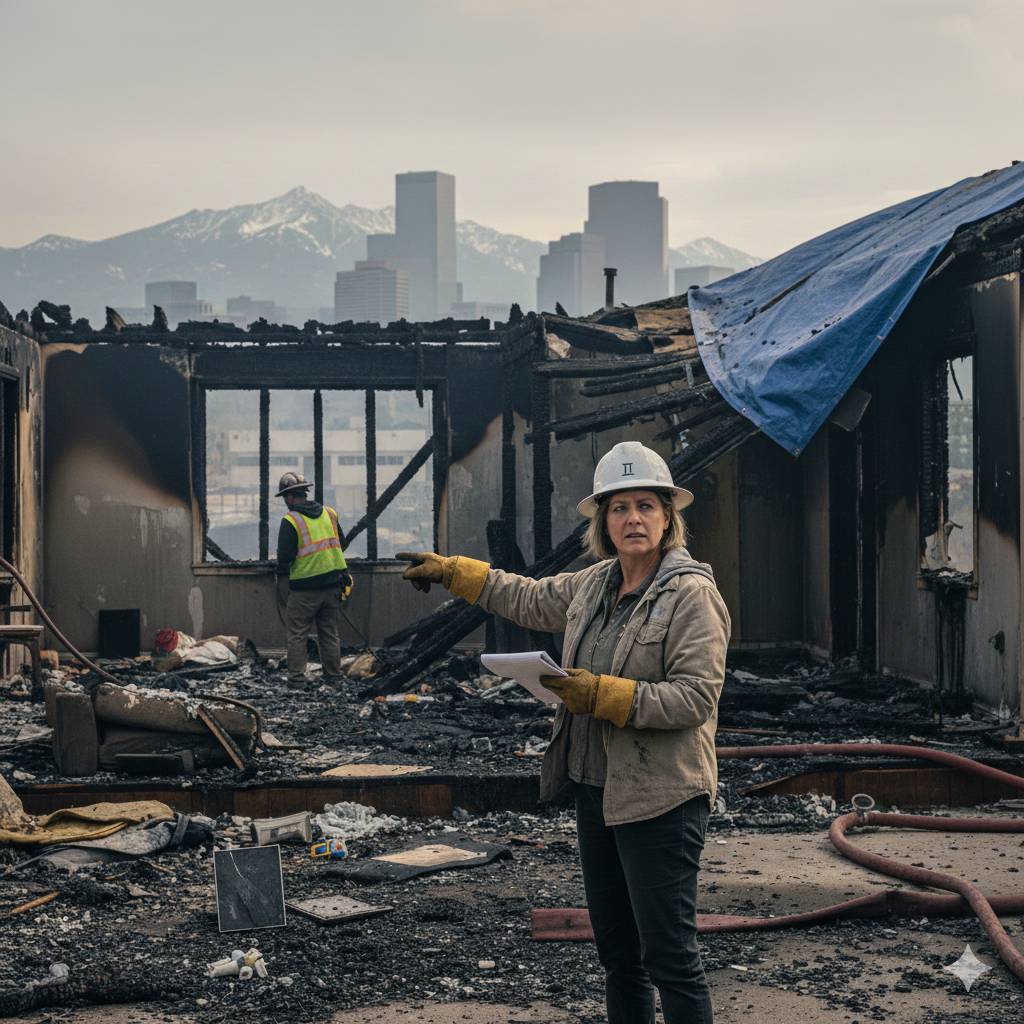
Understanding Your Fire Insurance Policy Coverage
Not all fire insurance policies are created equal, and knowing what yours covers is the foundation of a successful claim. Most standard homeowners insurance policies include fire damage coverage, but the details matter significantly.
Your policy typically covers three main areas: dwelling coverage for the structure itself, personal property coverage for your belongings, and additional living expenses if you need temporary housing. Dwelling coverage usually pays to repair or rebuild your home up to the policy limit, while personal property coverage reimburses you for damaged or destroyed items like furniture, clothing, and electronics.
The additional living expenses component is often overlooked but can be crucial. This coverage pays for hotel stays, restaurant meals, and other costs above your normal living expenses while your home is uninhabitable. Some policies have time limits on this coverage, so reviewing the terms early helps you plan accordingly.
Most policies also include a deductible, which is the amount you’ll pay out of pocket before insurance kicks in. This can range from $500 to several thousand dollars depending on your policy. Understanding your deductible upfront prevents surprises when the settlement arrives.
It’s worth noting that certain situations may void your coverage. Arson committed by the policyholder, intentional damage, and sometimes neglect can all lead to claim denials. If authorities suspect arson, expect a thorough investigation before any payout occurs.
Documenting Fire Damage for Your Insurance Claim
Proper documentation is the backbone of a strong insurance claim. The more thorough your records, the harder it is for insurers to undervalue your loss or deny legitimate claims.
Start by taking extensive photographs and videos immediately after the fire department clears the property for entry. Capture wide shots of each room to show overall damage, then zoom in on specific areas of destruction. Don’t just photograph obvious damage—document soot stains, water damage from firefighting efforts, and any structural concerns you notice.
Create a detailed written inventory of all damaged or destroyed items. Go room by room and list everything you can remember, including approximate ages and purchase prices. For valuable items, try to locate receipts, credit card statements, or online purchase confirmations. Even without receipts, providing as much detail as possible strengthens your claim.
If you completed any repairs or restoration work before the fire, gather those records too. Receipts showing recent roof replacement, electrical upgrades, or kitchen remodeling help establish the pre-fire value of your home. These documents prove what was lost and can significantly increase your settlement.
The fire department’s incident report is another critical piece of documentation. This official record details when the fire occurred, the suspected cause, and the extent of damage observed by first responders. Request a copy early in the process, as it often takes several weeks to receive.
Don’t dispose of damaged items until your insurance adjuster has seen them. While it’s tempting to start cleaning up immediately, throwing away evidence of your losses can hurt your claim. If items must be removed for safety reasons, photograph them first and keep samples if possible.
Working with Insurance Adjusters in Colorado
Insurance adjusters play a pivotal role in determining your settlement amount, but remember they work for the insurance company, not for you. Their job is to assess damage and calculate what the insurer owes, often with an eye toward minimizing payout amounts.
When the adjuster contacts you to schedule an inspection, be prepared for a thorough walkthrough of your property. They’ll document damage, take their own photos, and ask questions about what happened. Be honest and factual in your responses, but avoid speculating about things you’re unsure of.
Consider hiring your own public adjuster before meeting with the insurance company’s representative. Public adjusters work for policyholders, not insurers, and typically charge a percentage of your final settlement. In Colorado, this percentage usually ranges from 5% to 15%. While this might seem like an added expense, public adjusters often secure settlements 30% to 40% higher than homeowners achieve on their own.
During the inspection, point out all damage you’ve noticed, including less obvious issues like smoke damage in closets or water damage in basements. If the adjuster seems to be rushing or missing things, politely but firmly ask them to document everything you’ve observed.
After the inspection, the adjuster will provide an estimate of repair costs. This initial offer is frequently lower than what full restoration actually costs. Don’t feel pressured to accept the first number. Get your own contractor estimates and compare them to the adjuster’s assessment.
If there’s a significant gap between the insurance company’s offer and your contractor’s estimates, you have the right to dispute it. Provide your documentation and independent estimates to support your position. Many insurance companies will negotiate rather than face a formal dispute process.
Filing Your Fire Damage Claim: Step-by-Step Process
Timing is critical when filing a fire damage claim. Contact your insurance company immediately after the fire is extinguished, even if it’s the middle of the night. Most insurers have 24/7 claim hotlines specifically for emergencies like fires.
During your initial call, provide basic information about the fire: when it occurred, the suspected cause, and a general description of the damage. The representative will open a claim file and assign you a claim number. Write this number down and reference it in all future communications.
Within the first 24 to 48 hours, follow up your phone call with written notification. Many policies require written notice within a specific timeframe, often 60 days. Missing this deadline can jeopardize your entire claim. Email is typically acceptable for initial written notice, but send a certified letter as backup to prove you met the deadline.
Your insurer will likely send you claim forms to complete. Fill these out thoroughly and honestly. Exaggerating losses or providing false information constitutes insurance fraud and can result in claim denial and potential criminal charges.
As mentioned earlier, document everything before making any emergency repairs. However, you do have a duty to prevent further damage. If your roof is compromised, covering it with a tarp is reasonable. If windows are broken, boarding them up makes sense. Keep receipts for these emergency measures, as most policies reimburse reasonable costs to prevent additional damage.
The adjuster will schedule their inspection within a few days to a week of your claim filing. After their assessment, they’ll submit their findings to the insurance company, which then issues a settlement offer. This process typically takes two to six weeks, though complex claims can drag on for months.
If you disagree with the settlement offer, Colorado law gives you options. You can request a reinspection with a different adjuster, hire a public adjuster to advocate on your behalf, or initiate the dispute resolution process outlined in your policy.
Common Insurance Claim Challenges and How to Overcome Them
Even straightforward fire damage claims can hit unexpected snags. Being aware of common challenges helps you navigate them successfully.
Lowball offers are perhaps the most frequent issue. Insurance companies sometimes start with conservative estimates hoping policyholders will simply accept them. Combat this by getting multiple independent contractor estimates and presenting them to your adjuster. Detailed documentation of all losses also makes it harder for insurers to minimize their payout.
Another common challenge is claim delays. While some waiting is inevitable, unnecessary stalling tactics can leave you in limbo. If your claim seems stuck, document all communications with the insurance company and send a formal written inquiry about the delay. Colorado insurance regulations require insurers to process claims within reasonable timeframes, and persistent advocacy often gets things moving.
Disputes over repair costs versus replacement costs can also derail settlements. Some policies pay actual cash value, which factors in depreciation, while others pay replacement cost value. If your policy includes replacement cost coverage, don’t accept an actual cash value settlement without pushing back.
Denial of coverage is the worst-case scenario. If your claim is denied, request a detailed written explanation citing the specific policy provisions that justify the denial. Review your policy carefully with an attorney or public adjuster who specializes in property insurance. Many denials are based on questionable interpretations that can be successfully challenged.
Hidden damage discovered after the initial settlement presents another complication. If you find additional fire, smoke, or water damage weeks or months after settling, contact your insurer immediately. Most policies allow for supplemental claims if damage wasn’t apparent during the original inspection. Document the newly discovered damage thoroughly and be prepared to explain why it wasn’t found earlier.
Deciding Whether to Repair or Take the Insurance Money
Once your claim is approved, you face a crucial decision: use the insurance money to repair the home, or pocket the settlement and sell as-is. This choice impacts your financial outcome and timeline significantly.
If your insurance pays replacement cost value, you may need to complete repairs before receiving the full settlement. Many insurers release an initial payment covering actual cash value, then pay the remaining amount once repairs are finished and verified. This structure can tie up your settlement money in renovations you may not want to undertake.
Selling as-is allows you to keep the insurance settlement without spending it on repairs. However, you must disclose both the fire damage and the fact that you received insurance money but didn’t make repairs. This disclosure requirement exists in Colorado and throughout the United States.
Consider your mortgage situation when deciding. If you have a mortgage, your lender may be listed as an additional payee on the insurance check. Banks often require proof that insurance money was used for repairs or that the property was sold. This can complicate attempts to simply pocket the money without repairing or selling.
The math matters too. Calculate whether your net proceeds would be higher by repairing and selling traditionally versus selling as-is to a cash buyer. Factor in the time value of money, holding costs while repairs are completed, and the stress of managing contractors.
For many Denver homeowners, selling as-is to a company like Cash For Homes Now makes the most sense. You receive the insurance settlement, get a fair cash offer for the property in its current condition, and move on quickly without the headache of coordinating repairs.
How Insurance Settlements Affect Your Property Value
Insurance settlements don’t automatically restore your property to its pre-fire value, even if you use the money for repairs. Understanding this reality helps set realistic expectations for selling.
Even fully repaired homes with fire history typically sell for 5% to 15% less than comparable properties without damage history. Buyers remain wary of potential hidden issues, and the stigma of fire damage persists in many people’s minds. This discount exists whether you sell immediately after repairs or years down the line.
The quality of restoration work significantly impacts your property’s post-repair value. Professional, permitted repairs with thorough documentation help minimize the fire damage discount. DIY repairs or work by unlicensed contractors can actually decrease your home’s value further, as buyers worry about substandard workmanship.
Smoke and odor remediation quality also affects value. If smoke smells linger despite cleaning efforts, buyers will notice immediately during showings. Professional ozone treatment and thermal fogging are often necessary to truly eliminate smoke odors, particularly for significant fires.
If you choose not to repair before selling, expect deeper discounts. As-is fire-damaged homes typically sell for 20% to 40% below market value, though this varies based on damage severity. Cash buyers and investors account for repair costs, holding expenses during renovation, and their desired profit margin when making offers.
Location influences how much fire damage impacts value. In Denver’s competitive market, desirable neighborhoods may see smaller discounts because land value and location partially offset the damage. Conversely, homes in less sought-after areas may suffer larger value hits from fire damage.
Tax Implications of Fire Insurance Settlements
Insurance settlements come with tax considerations that many homeowners overlook. Understanding the tax treatment of your settlement prevents surprises come tax season.
Generally, insurance proceeds that simply reimburse you for property loss aren’t taxable income. If your settlement is equal to or less than your adjusted basis in the property, you won’t owe taxes on it. Your adjusted basis includes your original purchase price plus the cost of any capital improvements you made over the years.
However, if your settlement exceeds your adjusted basis, you may have taxable gain. This situation typically only occurs with complete losses where you receive a large settlement on a home you’ve owned for many years. In such cases, the Section 121 exclusion may protect you from taxes. This provision allows single filers to exclude up to $250,000 of gain on a primary residence sale, or $500,000 for married couples filing jointly.
Timing matters for tax purposes. You generally have two years from the date of loss to reinvest insurance proceeds into a replacement property to defer any taxable gain. If you sell your fire-damaged property as-is and purchase a new home within this window, the replacement property rules may benefit you.
Additional living expenses reimbursed by insurance typically aren’t taxable, as they simply replace your normal living costs. However, if you receive extra money beyond actual expenses incurred, that excess could be taxable.
Consult with a tax professional familiar with Colorado real estate and casualty losses before making final decisions about your insurance settlement. They can help you structure your sale or repair timeline to minimize tax liability.
When Selling As-Is Makes More Sense Than Repairing
While conventional wisdom suggests repairing before selling maximizes your return, several situations favor selling your fire-damaged Denver home as-is.
If repair costs would exceed 40% of your home’s pre-fire value, restoration rarely makes financial sense. The deep discount for fire damage means you likely won’t recoup your renovation investment. In these cases, accepting a lower as-is price and avoiding repair hassles produces a better outcome.
Time constraints also favor as-is sales. Full fire damage restoration can take three to six months or longer for extensive damage. If you’ve relocated for work, can’t afford to carry two housing payments, or simply want to move forward quickly, selling as-is typically closes within two weeks.
Limited access to repair financing is another practical consideration. Even if insurance provides partial reimbursement, you still need to front the money for contractors and materials. If you don’t have tens of thousands in liquid assets or can’t qualify for a renovation loan, completing repairs before selling may be impossible.
Stress and complexity shouldn’t be underestimated either. Managing fire restoration involves coordinating multiple contractors, navigating permitting processes, and dealing with inevitable surprises during construction. For homeowners already traumatized by fire loss, adding renovation project management can be overwhelming.
If your property has other issues beyond fire damage—foundation problems, outdated systems, or deferred maintenance—repairs compound quickly. Addressing fire damage alone might not be enough to make the home competitive, forcing you to invest even more in a property you don’t want to keep.
Finally, consider your emotional attachment to the home. If the fire has destroyed your connection to the property, going through the repair process can be painful. Selling as-is allows for a clean break and lets you focus on your future rather than rebuilding your past.
Finding the Right Buyer for Your Fire-Damaged Property
Not all buyers are created equal when selling a fire-damaged home. Understanding your options helps you choose the best path forward.
Traditional buyers using conventional financing face significant hurdles with fire-damaged properties. Most lenders won’t approve loans for homes that aren’t move-in ready, and appraisals often come in low due to the damage. While it’s possible to find a cash buyer or someone with a renovation loan, these buyers are rare and often negotiate aggressively on price.
Real estate investors and house flippers specifically seek out damaged properties. They have the capital, contractor connections, and expertise to handle fire damage renovations. However, they need to purchase below market value to make their business model work. Expect offers from investors to be 20% to 40% below pre-fire value.
Cash home buying companies like Cash For Homes Now offer a middle ground. We purchase fire-damaged properties as-is, close quickly, and handle all the paperwork. While our offers account for needed repairs, we typically pay more than individual investors because we’ve streamlined our renovation processes and don’t need as large a profit margin.
The buyer you choose affects more than just price. Speed, certainty, and convenience vary dramatically between buyer types. Traditional sales can fall through during inspections or when financing falls apart. Cash sales with experienced buyers rarely encounter these obstacles.
When evaluating buyers, ask about their experience with fire-damaged properties specifically. Companies that regularly handle fire damage understand the unique challenges and won’t try to renegotiate after discovering issues during due diligence. This experience translates to smoother transactions and fewer last-minute surprises.
Why Denver Homeowners Choose Cash For Homes Now
At Cash For Homes Now, we understand that fire damage creates unique challenges for Denver homeowners. Our process is designed to make selling your fire-damaged property as straightforward and stress-free as possible.
We purchase homes in any condition throughout the Denver metro area, including Boulder, Fort Collins, and surrounding communities. Fire damage doesn’t intimidate us—we’ve successfully closed hundreds of transactions involving properties with everything from minor smoke damage to complete structural losses.
Our process starts with a no-obligation consultation where we learn about your property and situation. We’ll ask about the fire, review any documentation you have, and discuss your timeline and goals. This conversation helps us understand what matters most to you.
Within 24 hours, we’ll provide a fair, written cash offer based on your home’s location, lot value, and damage extent. Our offers are transparent—we’ll explain exactly how we arrived at the number so you understand what you’re getting and why.
If you accept our offer, we can close in as little as seven days or on whatever timeline works best for you. We handle all closing costs, so there are no surprise fees eating into your proceeds. You won’t pay real estate commissions, and you don’t need to make any repairs or even clean the property.
We work with you on your insurance claim timing too. If you’re still finalizing your settlement, we can structure the sale timeline to accommodate that process. Our experience with fire-damaged properties means we understand the insurance side of the equation.
Perhaps most importantly, we treat you with respect and fairness during what we know is a difficult time. Losing your home to fire is traumatic, and we’re here to provide a solution that helps you move forward rather than adding to your stress. Our straightforward approach and honest communication have earned us numerous five-star reviews from Denver homeowners who appreciated our integrity and professionalism.
Taking the Next Step After Your House Fire
Dealing with fire damage is never easy, but understanding your insurance options and selling alternatives empowers you to make the best decision for your situation. Whether you choose to repair and sell traditionally or sell as-is to a cash buyer, having complete information about insurance claims helps you maximize your financial outcome.
Remember that you don’t have to navigate this process alone. Professional help from public adjusters, real estate attorneys, and experienced cash buyers can make the journey smoother and potentially more profitable.
If you’re ready to explore your options for selling your fire-damaged Denver property, Cash For Homes Now is here to help. Contact us today at (281) 725-7221 or visit our website at cashforhomesnow.com for a free, no-obligation consultation. We’ll answer your questions, provide honest guidance, and make you a fair cash offer if selling as-is makes sense for your situation.
Your path forward starts with understanding your options. Let us help you turn the page on this difficult chapter and move toward your next home with confidence.